
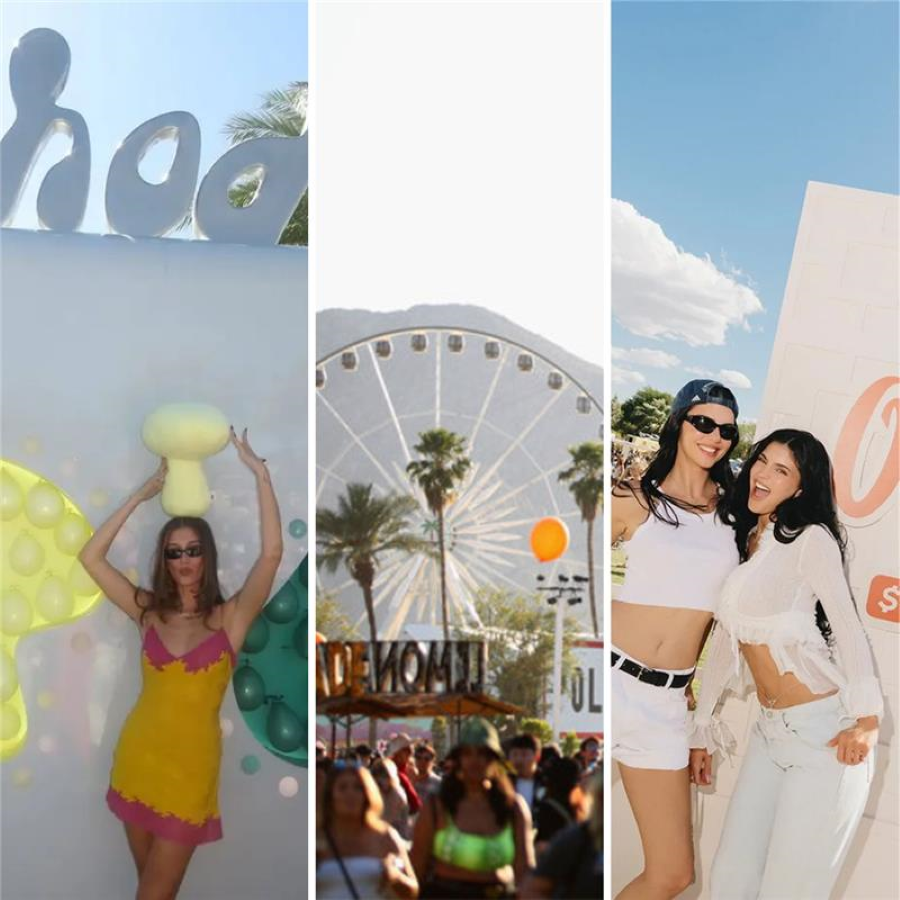
Coachella has evolved into more than just a music festival, as it is now one of the biggest global stages for brand influence. Every year, brands invest heavily to show up in ways that feel authentic, culturally relevant, and shareable. During weekend 1, brands didn’t just participate; they aimed to set trends that carry into the rest of the festival and beyond, leaving an everlasting mark on attendees and the rest of the public experiencing FOMO through their screens.
Why Coachella Drives Brand Influence
Coachella attracts a very valuable audience, mainly Gen Z consumers, which makes it a prime opportunity for brands to connect with people in a meaningful way. Attendees are aware that brands will be at Coachella and expect more than a generic and transactional advertisement. Festival goers want an experience they won’t forget, and based on what has been done at past festivals, brands know they need to show up authentically and creatively.
This is where the idea of influence comes into play. At Coachella, a brand’s influence is not created from pushing products; it is instead built through moments, environments, and culture.
How Brands Show Up Authentically at Coachella
The brands that stood out during weekend 1 all followed a similar strategy. They didn’t just advertise, they created experiences.
Rhode is a great example. Their “Rhode World” activation focused on a clean, minimal aesthetic that matched the festival environment with their brand identity. The space was designed to be “postable” with neutral tones, mirrors, and interactive elements that encouraged user-generated content. The greys and whites of the pop-up aligned well with real Rhode products, further strengthening their brand consistency. Rhode created a space where people wanted to spend time, which naturally drove engagement.
Similarly, GUESS leaned into influencer marketing heavily throughout weekend 1 by dressing high-profile attendees and hosting exclusive events. Denim is not typically associated with desert festivals, but they repositioned their product as part of a new Coachella fashion trend. Influencers and celebrities like Quen Blackwell, Amelia Gray, and Teyana Taylor were seen sporting GUESS jeans. The brand successfully integrated itself into Coachella.
GAP took the interactive approach route with its “Hoodie House,” allowing attendees to customize their own hoodies with charms and patches that had “Coachella” engraved on it. This solved a real need for cold desert nights but also gave people something tangible to take home, creating a lasting connection and memory with the brand.
Finally, Kendall Jenner’s 818 Tequila created a full lifestyle experience with its “818 Outpost”. They positioned themselves as more than a drink brand but rather a part of the Coachella social scene. Jenner’s brand combined multiple aspects like cocktails, wellness brands, and social spaces to appeal to attendees so they could have a spot to mingle before the festival began.
Key Takeaway for Brands: All About the Experience
What all of these brands did well comes down to the idea that the product is the least important thing; it is now all about the world you build around your brand. At Coachella, the most successful brands created experiences, aligned with the culture of the event, designed spaces for social sharing and user-generated content, and built exclusivity that drives buzz.
Coachella proves that when brands tap into culture authentically, they not only show up but shape the conversation.
